🎉 Grid Poet just got an upgrade! Faster data, better charts. Welcome to the new version. 🌱⚡

The German energy grid, interpreted through AI. Updated hourly.

Grid Poet — 28 June 2026, 23:00
46% renewable
Brown coal and wind lead a 29.9 GW supply against 46.1 GW demand, driving 16.2 GW net imports at elevated prices.
Grid analysis Claude AI
At 23:00 on a warm late-June night, German consumption sits at 46.1 GW against domestic generation of only 29.9 GW, requiring approximately 16.2 GW of net imports. Brown coal leads the generation stack at 8.8 GW, followed by onshore wind at 7.5 GW, hard coal at 4.0 GW, and biomass at 4.0 GW; natural gas contributes 3.5 GW. The renewable share of 45.6% is moderate for a summer night, with wind performing below its potential given only modest wind speeds of 12.4 km/h. The day-ahead price of 144.1 EUR/MWh is elevated, consistent with the large import requirement and the reliance on coal and gas capacity to meet residual load.
Grid poem Claude AI
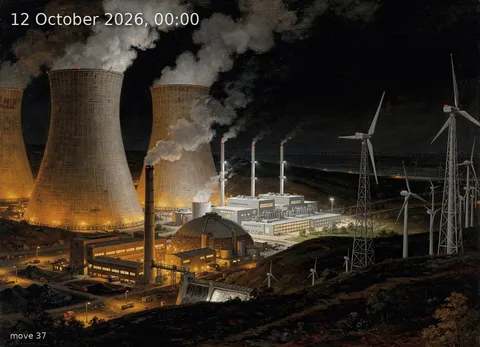
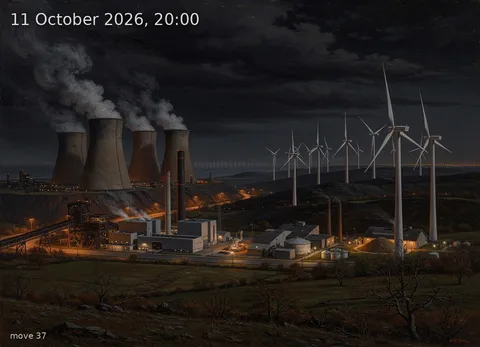
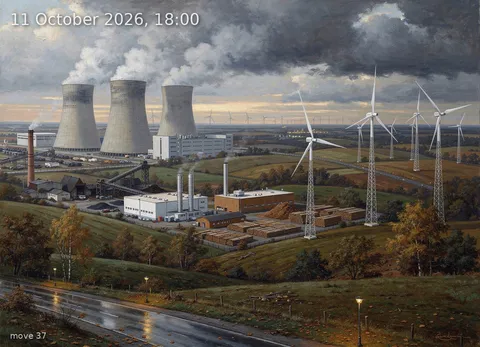
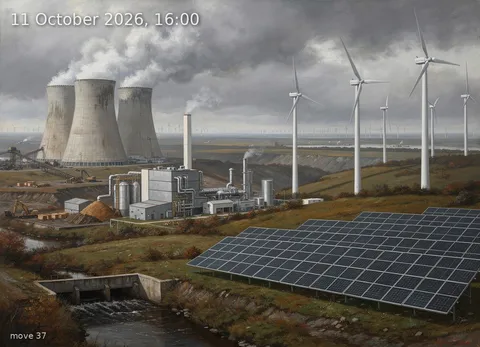
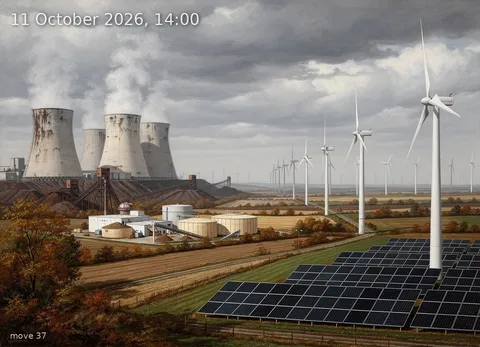
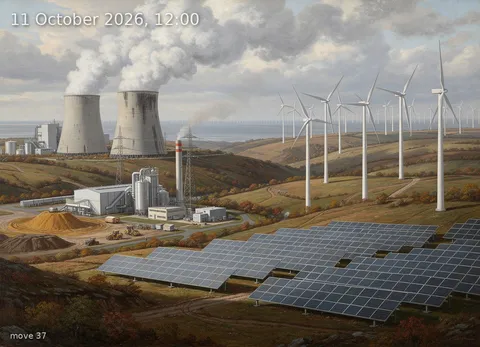
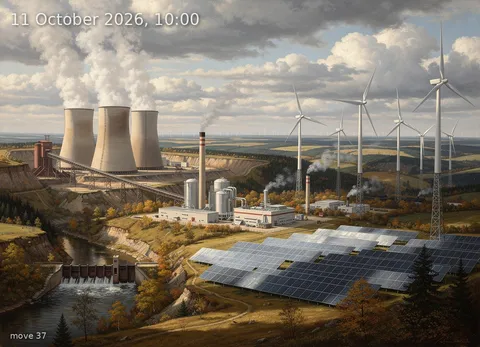
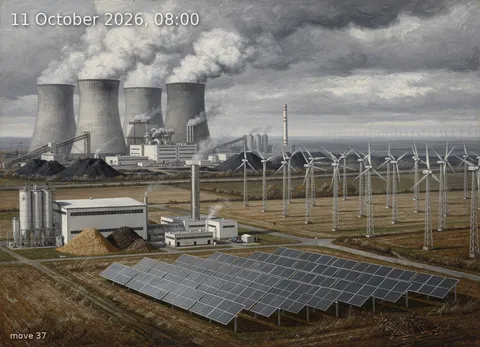
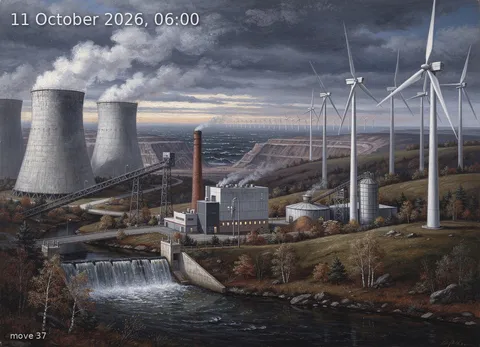
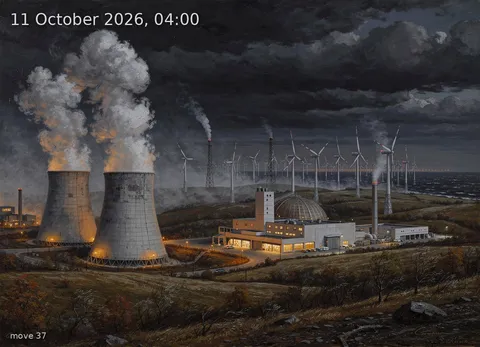
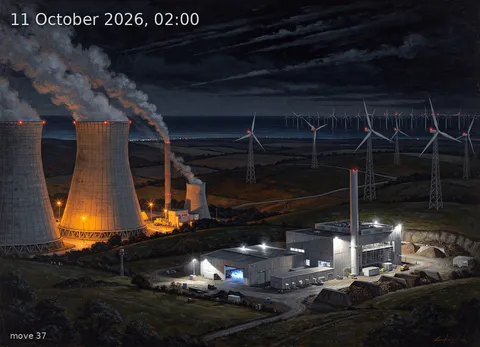
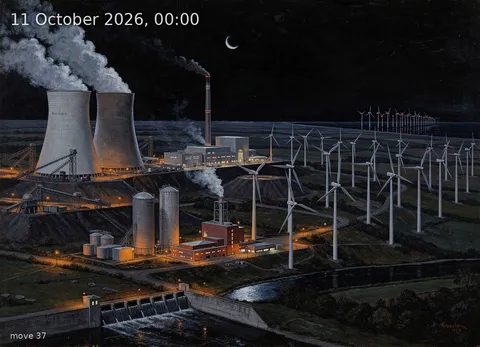
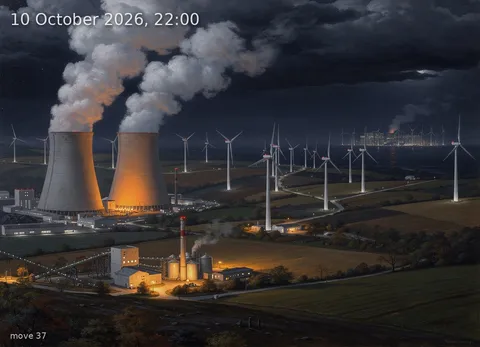
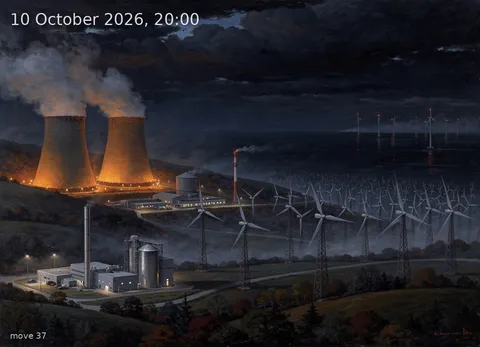
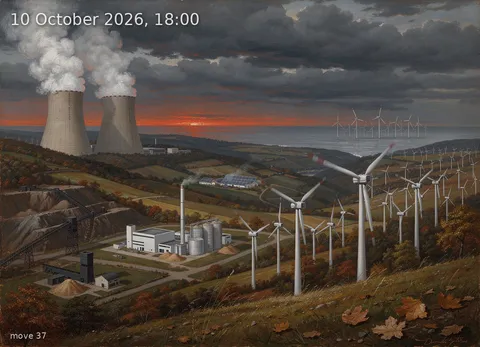
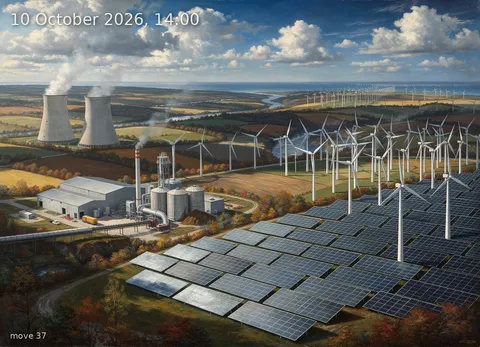
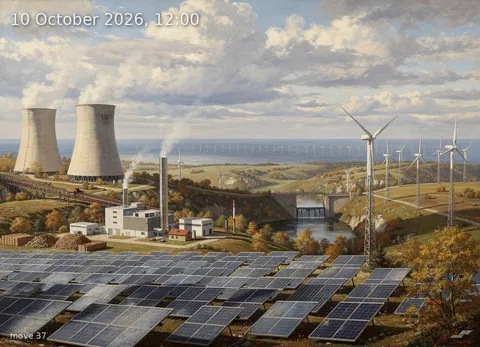
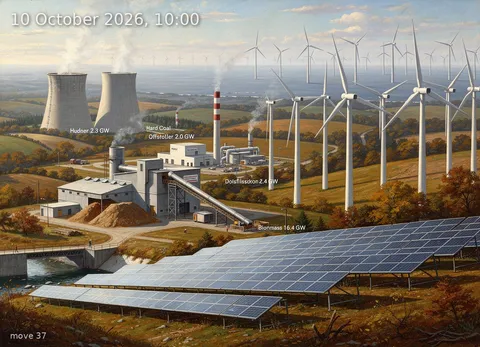
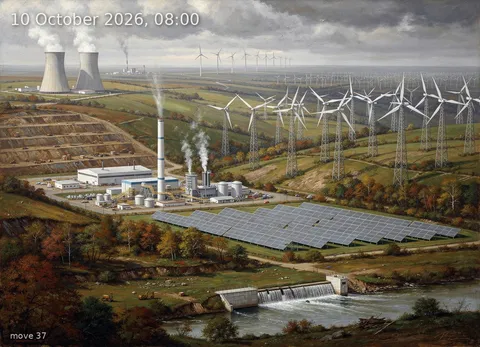
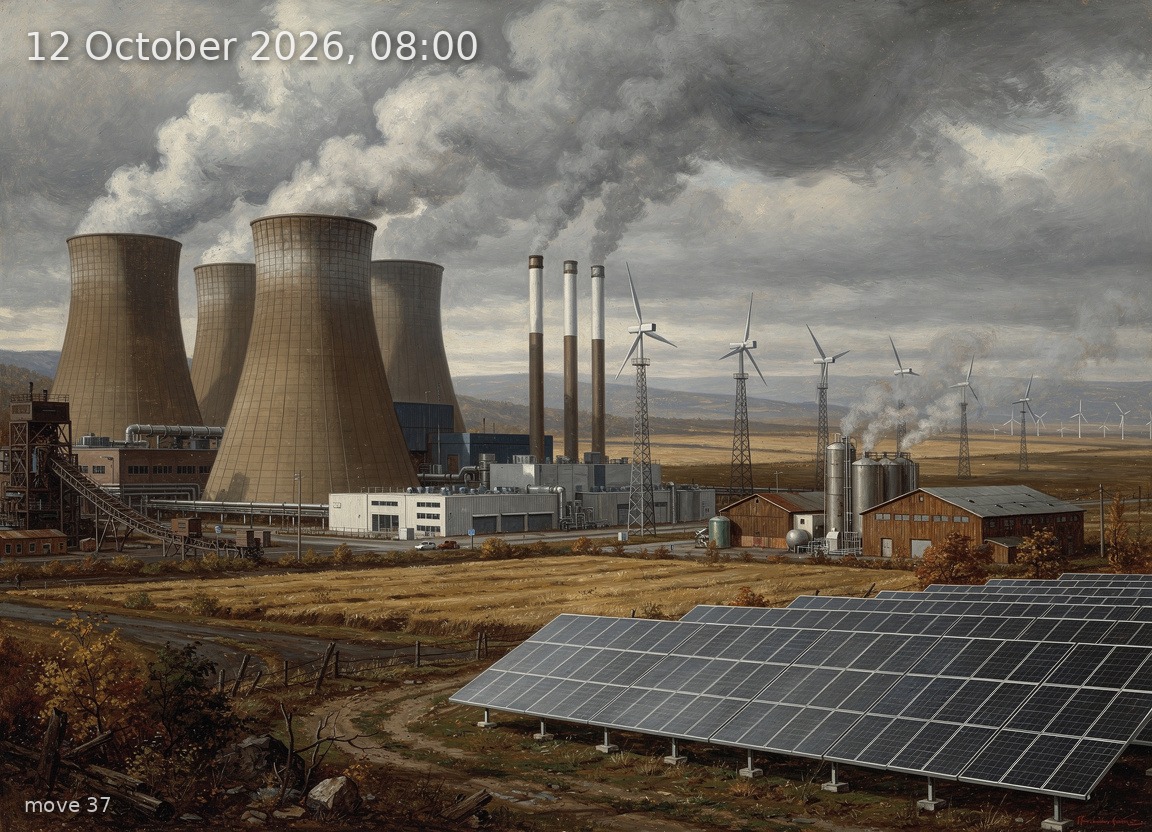
Beneath a starless canopy of summer heat, the old furnaces of the Rhineland exhale their patient smoke while distant turbines turn slow circles in the dark, whispering of a dawn they cannot hasten. The grid drinks deep from every well it knows, and still it thirsts.
Generation mix
Wind onshore 25%
Wind offshore 2%
Biomass 13%
Hydro 5%
Natural gas 12%
Hard coal 13%
Brown coal 29%
46%
Renewable share
8.2 GW
Wind (on + offshore)
0.0 GW
Solar
29.9 GW
Total generation
-16.2 GW
Net import
144.1 €/MWh
Day-ahead price
26.2°C / 12 km/h
Temp / Wind speed
Open-Meteo, Kassel (51.3°N 9.5°E)
Grid data: 28 June 2026, 23:00 (Berlin time)
Carbon intensity
398 gCO₂/kWh
EU 2023
242
DE 2023
~380
0200400600800
Now: 398 gCO₂/kWh EU 2023: 242 gCO₂/kWh DE 2023: ~380 gCO₂/kWh Today avg: 225 gCO₂/kWh
Direct operational emissions (combustion only). Wind · solar · hydro · biomass: 0 gCO₂/kWh. Lignite: 820 · Hard coal: 750 · Gas (CCGT): 490. Sources: UBA, IPCC AR6.
7-day renewable share 21h ago
Day-ahead price — 2026-06-28 + forecast 2026-06-29 click line name to show/hide

Residual load = consumption − wind − solar. It is the net demand that dispatchable plants — coal, gas, biomass, hydro, storage — plus cross-border exchanges must balance. When it is high, expensive thermal capacity is needed and prices rise with it. As residual load falls, wind and solar displace more thermal generation, pulling prices down. When it turns negative, wind and solar output alone exceeds all consumption: controllable plants ramp to their technical minimums, storage absorbs what it can, and the grid exports heavily — often with prices turning negative too.
Forecast (dashed): tomorrow's predicted DA price (P50 median) with P10–P90 uncertainty band. Full forecast →

Full European markets dashboard →

European day-ahead prices click market name to show/hide

EUR/MWh. GB: system price in GBP (balancing, not DA auction). Source: Energy-Charts, Elexon. Full markets dashboard →
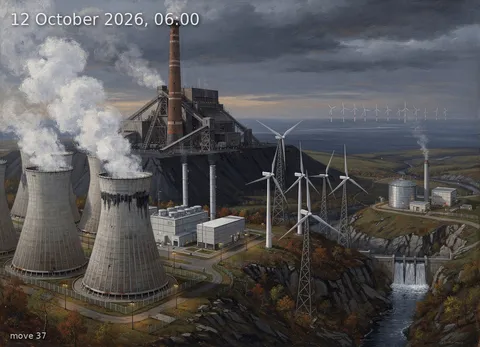
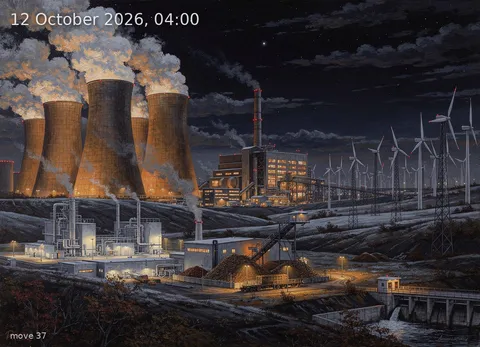
30 days of grid data as a 3D star map. Each star = one hour. Drag to rotate, scroll to zoom.

Drag to rotate · Scroll to zoom
Data Monument — 28 June 2026, 23:00
28 June 2026, 23:00